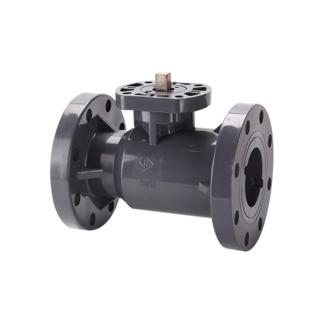
Wat zijn de meest voorkomende soorten handmatige kleppen?
Handmatige kleppen zijn het meest voorkomende type kleppen in industriële vloeistofregelsystemen en worden veel gebruikt in de aardolie-, chemische, elektrische energie-, metallurgie-, waterbehandeling-, papier-, farmaceutische-, voedsel- en andere industrieën. Handmatige kleppen maken gebruik van handmatige bedieningshendels, handwielen, tandwielen en andere mechanische apparaten om de mediastroom te openen en te sluiten of aan te passen. Het heeft een eenvoudige structuur, is gemakkelijk te gebruiken, economisch en betrouwbaar en is een onmisbaar onderdeel in industriële pijpleidingsystemen. Afhankelijk van de verschillende structurele vormen, werkingsprincipes en toepasselijke gelegenheden kunnen handmatige kleppen hoofdzakelijk worden onderverdeeld in de volgende veel voorkomende typen:
Handmatige schuifafsluiter
De handmatige schuifafsluiter realiseert de aan-uitregeling van de vloeistof door de wigvormige of parallelle poort op en neer te bewegen. Het contactoppervlak tussen de poort en de klepzitting is groot tijdens het openen en sluiten, wat geschikt is voor volledig openen of volledig sluiten, maar niet geschikt voor veelvuldig openen en sluiten of smoren. De handmatige schuifafsluiter heeft de voordelen van een lage vloeistofweerstand, goede afdichtingsprestaties, eenvoudige structuur en een lange levensduur. Het wordt veel gebruikt in oliepijpleidingen, waterbehandeling, krachtcentralesystemen en andere werkomstandigheden met hoge afdichtingseisen.
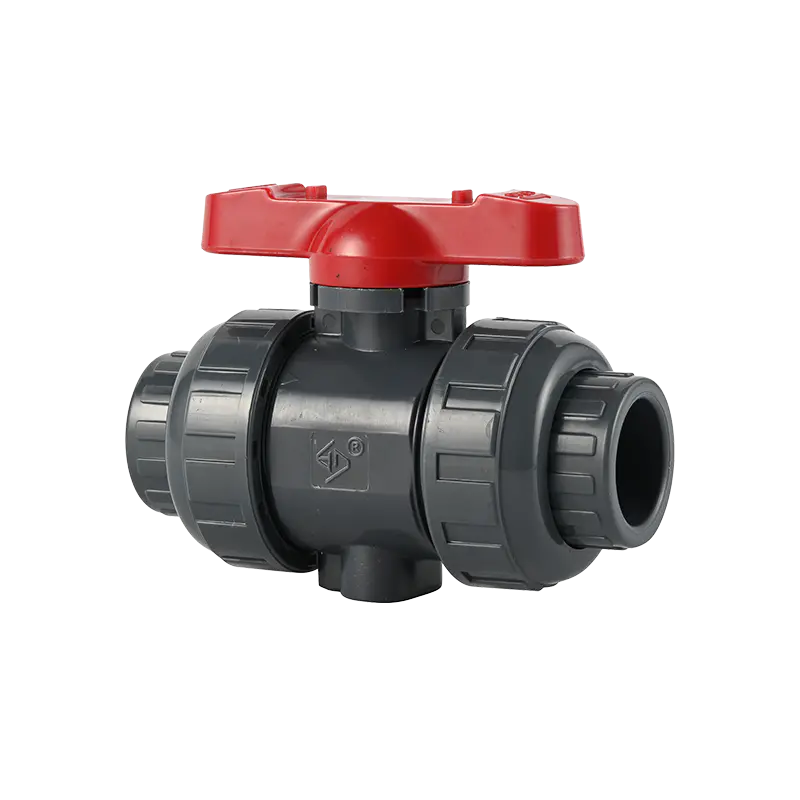
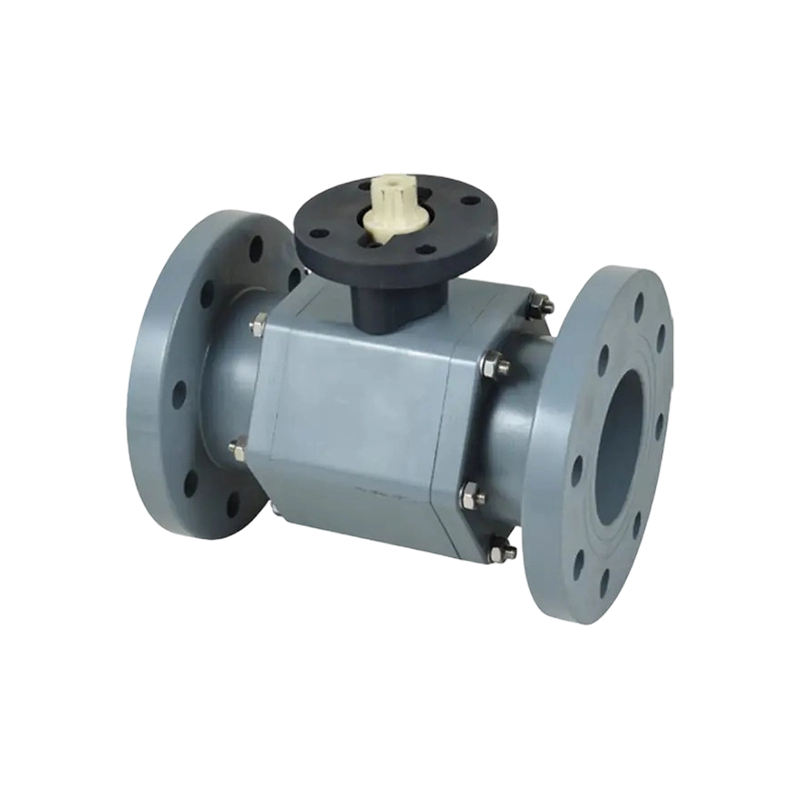
Handmatige kogelkraan
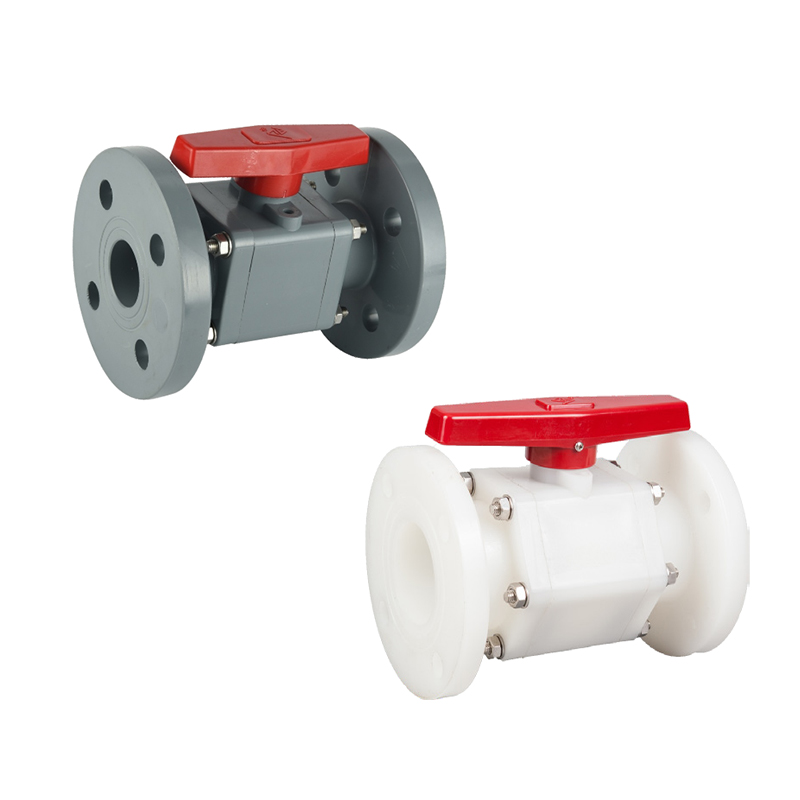
De handmatige kogelkraan gebruikt de kogel om 90° rond de klepas te draaien om de vloeistofstroom te regelen. De kogelkraan opent en sluit snel, heeft een klein bedieningskoppel en uitstekende afdichtingsprestaties. Het is met name geschikt voor systemen die snel openen en sluiten en frequente bediening vereisen. Het is geschikt voor schone vloeistoffen, gassen en corrosieve media. Het wordt veel gebruikt in de petrochemische, aardgas-, farmaceutische, papierindustrie en andere industrieën. De compacte structuur is bijzonder geschikt voor installatie in beperkte ruimtes.
Handmatige afsluiter
De handmatige afsluiter past het debiet aan door de klepschijf in verticale richting langs de hartlijn van de klepzitting te bewegen. Vergeleken met de schuifafsluiter heeft de afsluiter betere afstelprestaties, maar de vloeistofweerstand is relatief groot. De afsluiter is geschikt voor situaties waar nauwkeurige controle van debiet of druk vereist is, zoals ketelapparatuur, stoomsystemen, chemische processen, etc. De afsluiter heeft een eenvoudige structuur en is gemakkelijk te onderhouden en wordt vaak gebruikt in kleine en middelgrote pijpleidingen.
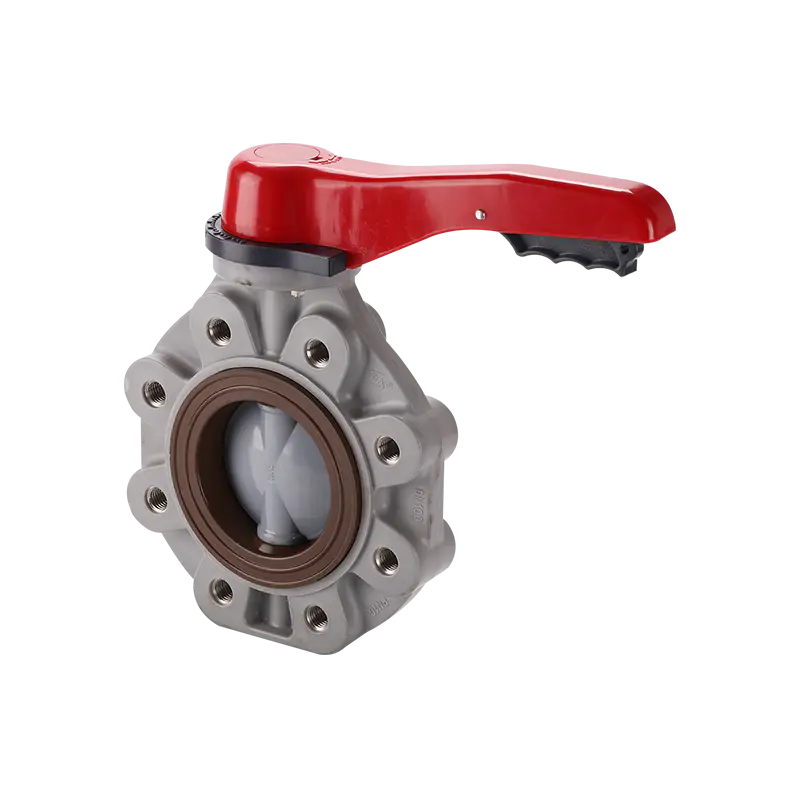
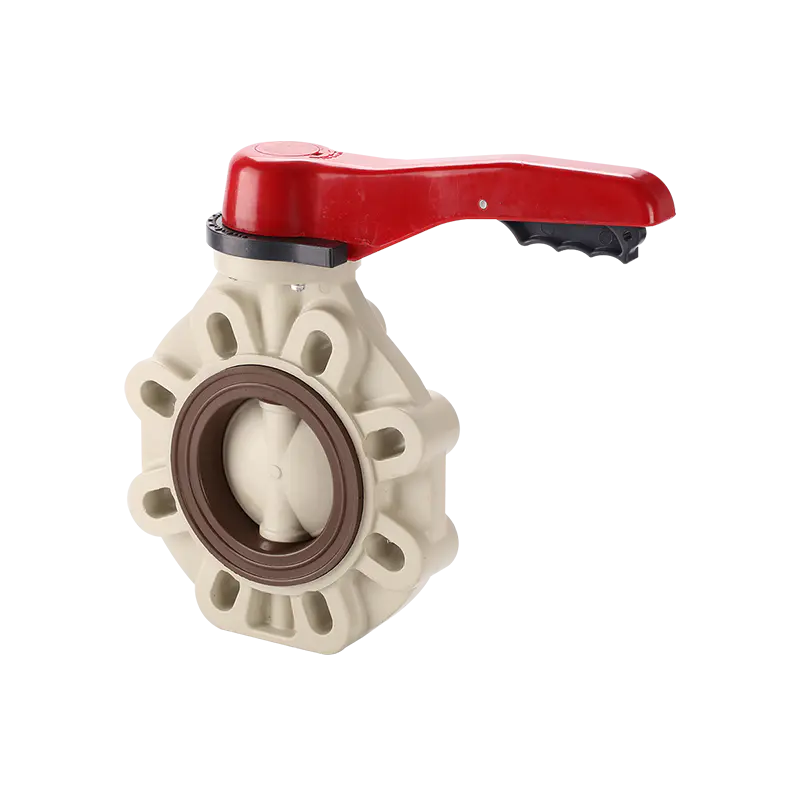
Handmatige vlinderklep
De handmatige vlinderklep maakt gebruik van een schijfvormige klepplaat die rond de klepas draait om het mediumkanaal te openen en te sluiten. Het heeft een compacte structuur, een laag gewicht en lage kosten, en is bijzonder geschikt voor de bediening van kleppen met een grote diameter. Het wordt vaak gebruikt in waterbehandeling, airconditioningsystemen, brandbeveiligingspijpleidingen en de voedingsmiddelen- en drankenindustrie. Hoewel de afdichtingsprestaties niet zo goed zijn als die van kogelkranen en schuifafsluiters, heeft het duidelijke voordelen in ruimte- en gewichtsgevoelige gelegenheden. Verbeterde producten zoals bidirectionele afdichtingen en excentrische vlinderkleppen kunnen het toepassingsbereik effectief vergroten.
Handmatige plugklep
De openende en sluitende delen van de handmatige plugklep zijn conische of cilindrische pluggen, die door rotatie worden geopend en gesloten. Het stroomkanaal is meestal rechtdoor en heeft een lage vloeistofweerstand. De structuur is eenvoudig en geschikt voor veelvuldig openen en sluiten. Het wordt veel gebruikt bij de exploitatie van olievelden, gastransmissie, stedelijke pijpleidingen en andere velden. Omdat plugkleppen gevoelig zijn voor slijtage, maken moderne plugkleppen vaak gebruik van smering of zachte afdichtingsstructuren om de levensduur en de afdichtingsprestaties te verbeteren.
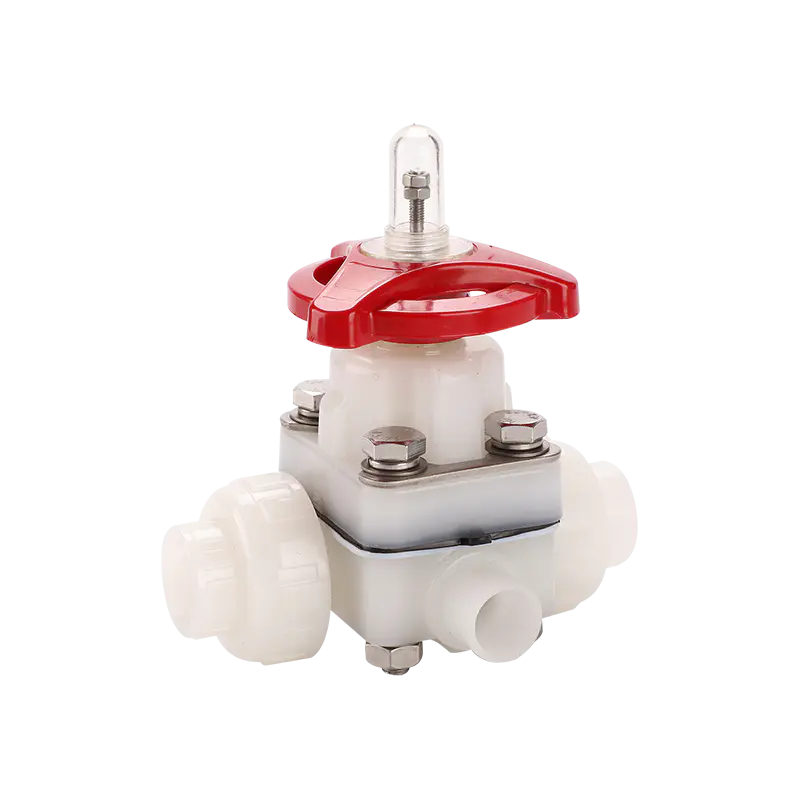
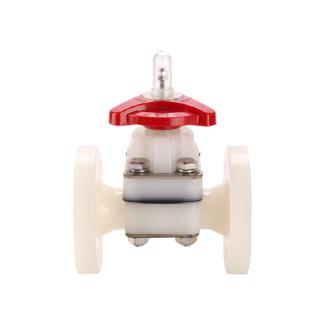
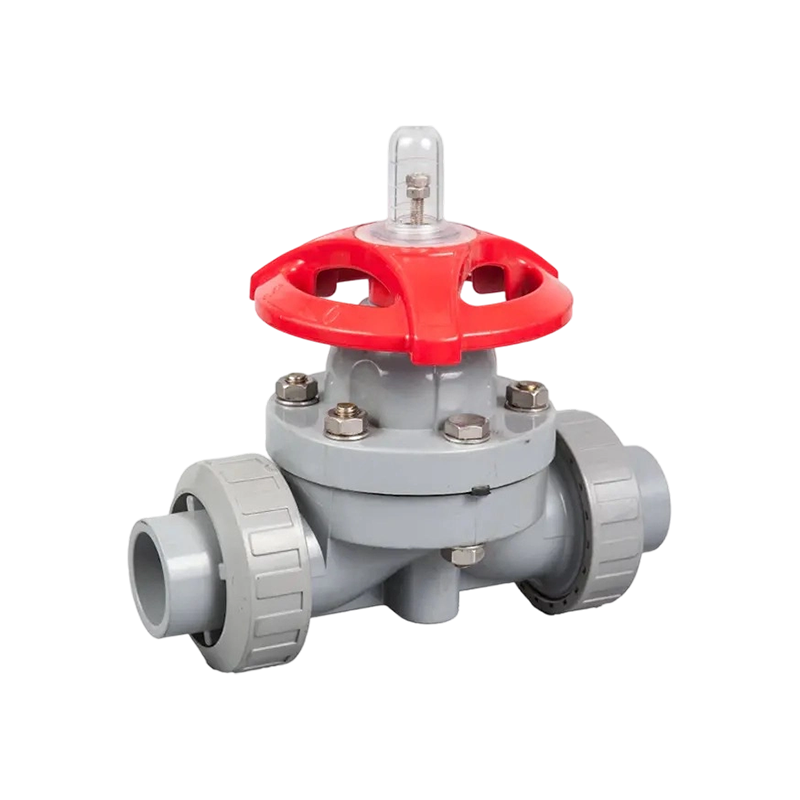
Handmatige membraanafsluiter
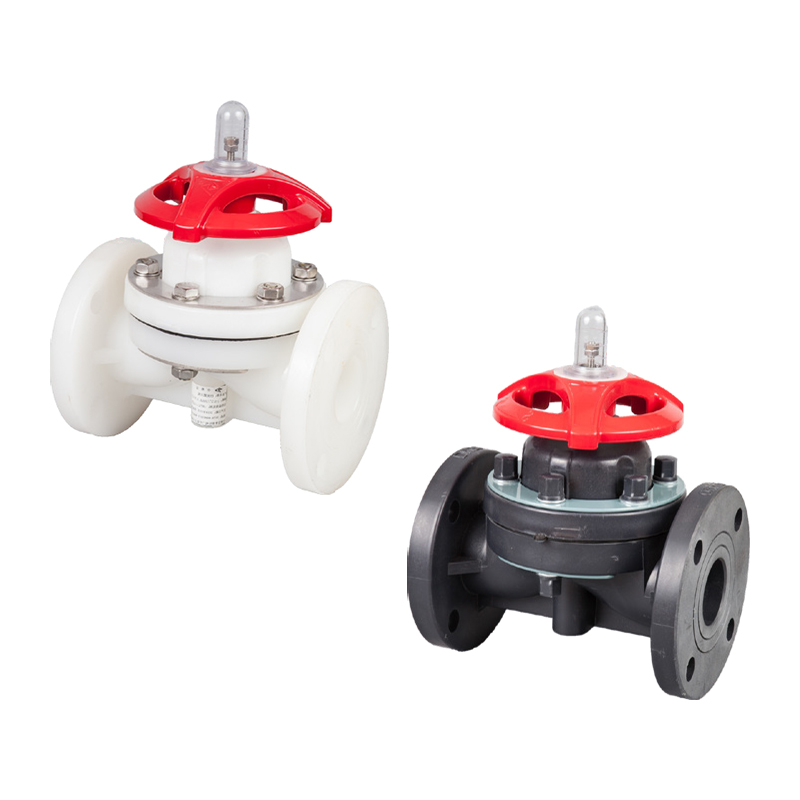
De handmatige membraanafsluiter gebruikt een flexibel membraan als openings- en sluitdeel, dat geschikt is voor het regelen van pijpleidingsystemen die vaste deeltjes, corrosieve media of stroperige vloeistoffen bevatten. Het grootste voordeel is dat er geen metalen onderdeel in contact komt met het medium, waardoor problemen met corrosie en vervuiling worden vermeden. Het is geschikt voor zeer schone processtromen zoals farmaceutische producten, voedingsmiddelen en biochemicaliën, en wordt veel gebruikt in CIP/SIP-systemen. Vanwege de speciale structuur is het handig om het membraan te repareren en te vervangen.
 | 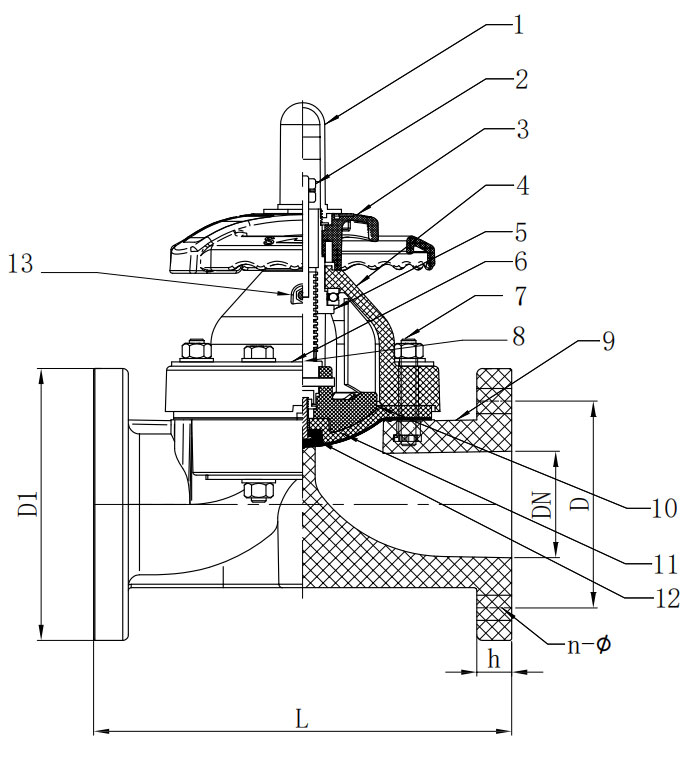 |
| DN | D1(mm) | D(mm) | L(mm) | h(mm ) | n | φ (mm) |
| HG/DIN | JIS | ANSI | HG/DIN | JIS | ANSI | HG/DIN | JIS | ANSI | | HG/DIN | JIS | ANSI | HG/DIN | JIS | ANSI |
| 15 | 95 | 95 | 95 | 65 | 70 | 60 | 125 | 110 | 110 | 14 | 4 | 4 | 4 | 14 | 15 | 16 |
| 20 | 105 | 100 | 100 | 75 | 75 | 70 | 135 | 120 | 120 | 16 | 4 | 4 | 4 | 14 | 15 | 16 |
| 25 | 115 | 125 | 125 | 85 | 90 | 79 | 145/160 | 130 | 130 | 16 | 4 | 4 | 4 | 14 | 15 | 16 |
| 32 | 135 | 135 | 135 | 100 | 100 | 89 | 160/180 | 160 | 160 | 16 | 4 | 4 | 4 | 18 | 19 | 16 |
| 40 | 145 | 145 | 145 | 110 | 105 | 98 | 180 | 180 | 180 | 16 | 4 | 4 | 4 | 18 | 19 | 16 |
| 50 | 160 | 160 | 160 | 125 | 120 | 121 | 210/230 | 210 | 210 | 18 | 4 | 4 | 4 | 18 | 19 | 19 |
| 65 | 180 | 180 | 180 | 145 | 140 | 140 | 250 | 250 | 250 | 22 | 4 | 4 | 4 | 18 | 19 | 19 |
| 80 | 195 | 195 | 195 | 160 | 150 | 152 | 300 | 280 | 280 | 25 | 8 | 8 | 4* | 18 | 19 | 19 |
| 100 | 215 | 220 | 220 | 180 | 175 | 190 | 350 | 340 | 340 | 25 | 8 | 8 | 8 | 18 | 19 | 19 |
| 125 | 255 | 255 | 255 | 210 | 210 | 216 | 405 | 405 | 405 | 30 | 8 | 8 | 8 | 18 | 19 | 22 |
| 150 | 280 | 280 | 280 | 240 | 240 | 241 | 460 | 460/480 | 460/480 | 30 | 8 | 8 | 8 | 22 | 23 | 22 |
| 200 | 340 | 340 | 340 | 295 | 290 | 298 | 575 | 575 | 575 | 38 | 8 | 12* | 8 | 22 | 23 | 22 |
| 250 | 395 | 395 | 395 | 350 | 355 | 362 | 685 | 685 | 685 | 38 | 12 | 12 | 12 | 22 | 25 | 26 |
| 300 | 480 | 480 | 480 | 400 | 400 | 432 | 790 | 790 | 790 | 40 | 12 | 16* | 12 | 22 | 25 | 26 |
Handmatig naaldventiel
De needle valve uses a slender conical valve core to accurately control small flows. Mainly used in high-precision fluid regulation, such as instrumentation systems, sampling systems, hydraulic or pneumatic control circuits. Compact structure, high regulation accuracy, widely used in scientific research, laboratories and high-pressure gas devices.
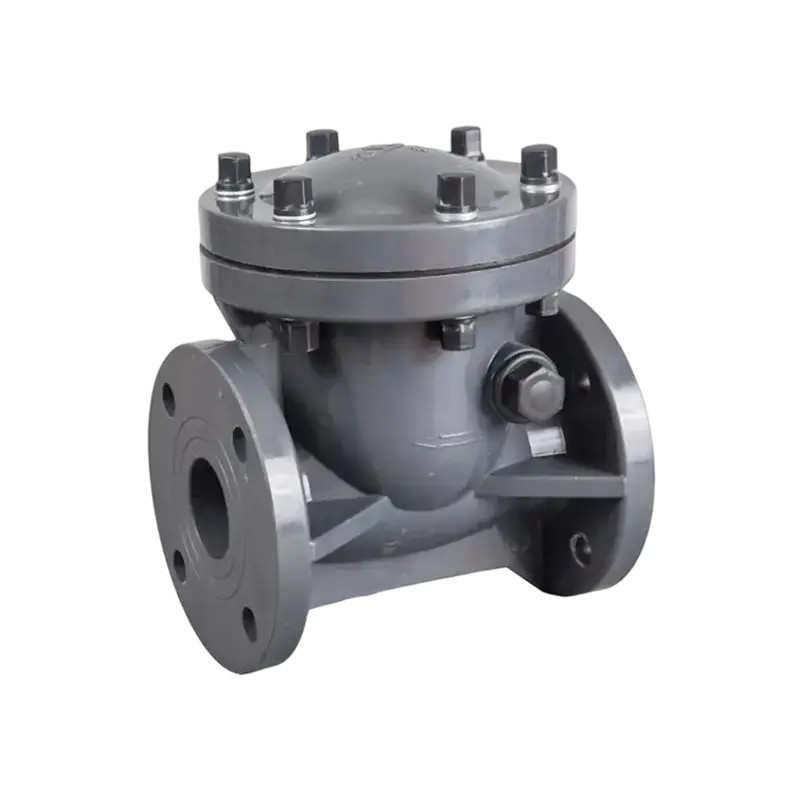
Handmatige terugslagklep
Hoewel terugslagkleppen meestal automatisch werken, gebruiken sommige systemen terugslagkleppen met handmatige functies. Wordt gebruikt om terugstroming van medium te voorkomen en handmatige interventie onder bijzondere omstandigheden mogelijk te maken. Vaak gebruikt in situaties met hoge veiligheid, zoals hogedrukketels, pompstations, opslagtanks voor chemicaliën, enz.
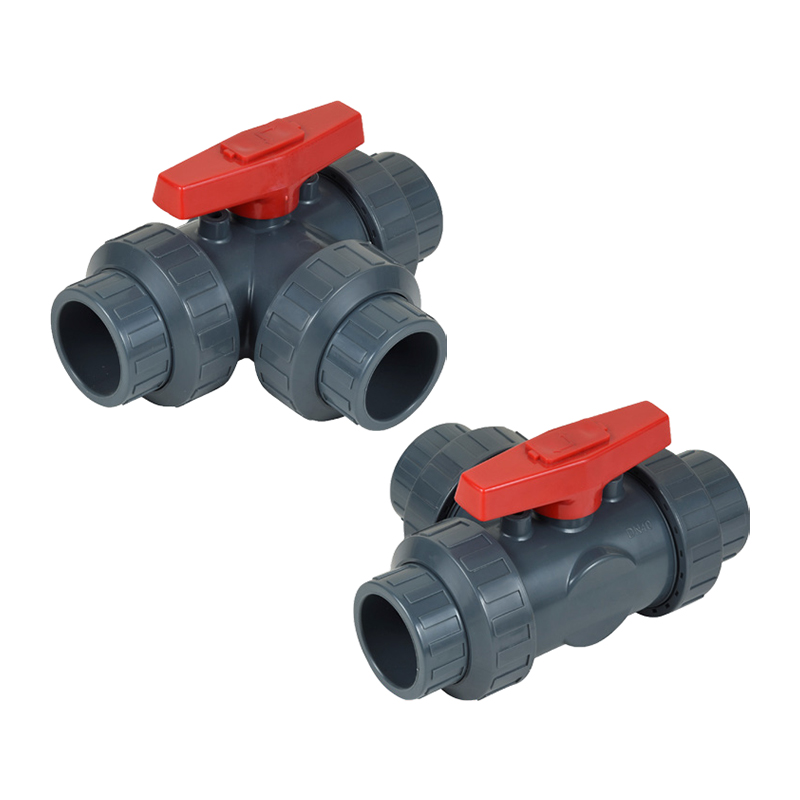
Handmatige driewegklep
Handmatige driewegkleppen kunnen worden onderverdeeld in "T-type" en "L-type" structuren, geschikt voor het veranderen van de vloeistofrichting of het realiseren van meerkanaalsschakeling. Het wordt meestal gebruikt in meng-, omleidings- of bypass-systemen, en wordt veel gebruikt in HVAC, voedselverwerking en pijpleidingschakelingen. Flexibele bediening, diverse opbouw, te combineren met kogelkranen, plugkranen en andere vormgevingsvormen.
Wat is het verschil tussen handmatige kogelkranen en handmatige schuifafsluiters qua structuur en afdichtingsmethode?
Handmatige kogelkranen en handmatige schuifafsluiters zijn twee veel voorkomende afsluitkleppen voor pijpleidingen, die veel worden gebruikt in industriële systemen zoals de aardolie-, chemische, metallurgie-, elektriciteits- en constructiesector. Hoewel ze allebei qua functie de rol spelen bij het openen en sluiten van vloeistoffen en het afsnijden van doorgangen, zijn er essentiële verschillen in hun structurele ontwerp, afdichtingsprincipe, prestaties en toepasbare scenario's.
Structurele ontwerpverschillen
De structural core of the manual ball valve is a hollow sphere, which controls the on and off of the medium by rotating the sphere. The sphere is usually a solid metal ball with a hole, which is axially connected to the valve stem. The ball valve is usually a quarter-turn structure, and it only needs to rotate 90° to switch from full open to full closed. The valve body structure is mostly two-piece or three-piece, which is convenient for maintenance and replacement of internal parts. The surface of the sphere is precisely machined and cooperates with the sealing seat to form a sealing pair. The overall structure is compact and light, which is easy to install in places with limited space.
De main structural components of the manual gate valve are wedge-shaped or parallel gates, which are opened and closed by vertically lifting the gate up and down. The gate rises and falls along the spiral motion of the valve stem, usually a multi-turn structure, and the opening and closing process is relatively slow. The gate valve body is generally an integral casting with a deep internal cavity and large structural dimensions. Since the gate needs to be fully raised to the top of the valve cavity to fully open, the manual gate valve has higher requirements for space and operating torque than the ball valve.
Verschil in afdichtingsmethode
De manual ball valve adopts a face sealing structure. The sealing pair is formed by the contact between the surface of the ball and the sealing seat, which is usually made of polytetrafluoroethylene (PTFE), reinforced polymer, metal or composite material. The ball always keeps in contact with the sealing surface during rotation, and effective sealing is achieved through the floating ball or fixed ball design. The ball valve has excellent sealing performance and extremely low leakage rate, which is particularly suitable for working conditions with high requirements for zero leakage. Some high-end ball valves also have two-way sealing and fireproof and anti-static structures to improve system safety.
De manual gate valve adopts a wire sealing structure. The sealing pair is formed by the edges on both sides of the gate and the sealing surface of the valve seat. The sealing surface is mostly made of metal materials such as alloy steel, hard alloy, and Stellite. The sealing depends on the cooperation of the medium pressure and the wedge tightening force of the gate, and the sealing effect is not as good as the ball valve under low pressure conditions. Due to the strong friction between the gate and the valve seat during the opening and closing process, it is easy to wear, and the processing and assembly accuracy requirements are high. Some gate valves use elastic gates or pressure self-sealing structures to enhance sealing, but their overall sealing performance is still slightly inferior to that of ball valves.
Verschillen in openings- en sluitingsprestaties
De manual ball valve opens and closes quickly, has low torque, and is easy to operate. Its rotation angle is only 90°, which is suitable for systems that are frequently operated or require rapid medium cutoff. There is no friction during the opening and closing process, and the action is stable, which is particularly suitable for occasions that require emergency shutdown.
De manual gate valve opens and closes slowly, and the handwheel needs to be rotated several times to complete the entire operation. Due to the long up and down movement of the gate, coupled with the mechanical loss of the valve stem thread transmission mechanism, the operation process is time-consuming and laborious. It is not suitable for frequent opening and closing, but has reliable long-term sealing capabilities in large-diameter, low-frequency pipeline systems.
Verschillen in toepassingsgebied
De manual ball valve is suitable for pipeline systems that require fast opening and closing, good sealing, and low flow resistance. It is particularly suitable for industries with strict leakage control such as natural gas, refined oil, fine chemicals, pharmaceuticals, and water treatment. It has a compact structure and flexible installation, and is suitable for equipment or branch pipelines with limited space.
Handmatige schuifafsluiters zijn geschikt voor hoofdleidingen met grote diameters, laagfrequente toepassingen en kleine drukveranderingen. Ze worden veel gebruikt in de hoofdkleppositie van waterinstallaties, verwarming, elektriciteit, metallurgie en andere systemen, en zijn vooral geschikt voor gebruik als afsluiters. De stromingsweerstand is extreem laag en er is vrijwel geen drukval in de volledig open toestand, wat vriendelijker is voor transmissiesystemen over lange afstanden.
Doorstroomcapaciteit en drukverlies
De channel inside the ball of the manual ball valve is often designed with a full-bore design. The medium has almost no flow resistance when passing through the valve, and no obvious pressure drop is generated. It has little impact on system efficiency and is suitable for process flows requiring efficient transmission.
Handmatige schuifafsluiters hebben ook een kleine stromingsweerstand in volledig geopende toestand, maar zijn gevoelig voor turbulentie en trillingen wanneer ze gedeeltelijk of onvolledig worden geopend. Vergeleken met kogelkranen is de kans groter dat hun lokale structuren gemiddelde erosie veroorzaken, wat op zijn beurt de levensduur van het afdichtingsoppervlak beïnvloedt.
 |  |
Hoe u handmatige kleppen kiest voor de voedingsmiddelen- of farmaceutische industrie
In de voedings- en farmaceutische industrie vervullen handmatige kleppen niet alleen de basisfuncties voor openen, sluiten, regelen en snijden, maar houden ze ook verband met productveiligheid, netheid en productieconformiteit. Omdat deze industrieën extreem hoge eisen stellen aan hygiëne, materialen en anti-vervuilingscapaciteiten, moet de selectie strikt de relevante industrienormen volgen en volledig rekening houden met factoren zoals mediumkarakteristieken, processtroom, reinigings- en desinfectiemethoden en klepstructuurmaterialen.
Structureel ontwerp dat voldoet aan de hygiënische normen
De food and pharmaceutical industries have extremely high requirements for the cleanliness of equipment surfaces. Manual valves must have characteristics such as no dead angles, no retention, and easy cleaning. When selecting, valve products that meet hygienic certifications such as EHEDG (European Hygienic Engineering Design Group), 3-A (American Dairy Hygiene Association Standards), and FDA (American Food and Drug Administration) should be given priority. The valve cavity should adopt a full-bore design to ensure that the medium flows smoothly without retention; the internal surface should be electrolytically polished, and the roughness should be controlled within Ra ≤ 0.4 μm to avoid bacterial adhesion.
Selectie van kleplichaammaterialen en afdichtingsmaterialen
Materiaalkeuze heeft rechtstreeks invloed op de corrosieweerstand, temperatuurbestendigheid en biocompatibiliteit van de klep. De voedings- en farmaceutische industrie beveelt het gebruik van 316L roestvrij staal aan als het belangrijkste materiaal voor het kleplichaam vanwege de uitstekende corrosieweerstand en lasbaarheid, en het vermogen om bestand te zijn tegen de zure, alkalische en hoge temperatuur stoomomgevingen die vaak worden gebruikt in CIP (Clean-in-Place) en SIP (Sterilize-in-Place) systemen. Afdichtingen moeten zijn gemaakt van FDA-gecertificeerd polytetrafluorethyleen (PTFE), EPDM (ethyleenpropyleendieenmonomeerrubber) of FKM (fluorrubber) en andere materialen met goede chemische bestendigheid en hittebestendigheid om ervoor te zorgen dat het medium niet wordt verontreinigd.
Gemakkelijk te reinigen en steriliseren via CIP/SIP
Tijdens de productie van voedsel en medicijnen moet het leidingsysteem regelmatig ter plaatse worden gereinigd (CIP) en ter plaatse met stoom worden gesteriliseerd (SIP). De klepstructuur moet compatibel zijn met dit type reiniging. Houd er bij het selecteren rekening mee of de klepholte een automatische ledigingsfunctie heeft, of er een residuvrije reiniging mogelijk is, of de afdichting een hoge temperatuurbestendigheid heeft (≥150°C) en of de klep de sterilisatiecyclustijd ondersteunt (die doorgaans meer dan 30 minuten moet bedragen). De structuren van driewegkleppen, membraankleppen en aseptische monsternamekleppen zijn geoptimaliseerd en zijn geschikter voor dergelijke processen.
Voorkeurstypes voor sanitaire kleppen, zoals membraankleppen en vlinderkleppen
Membraankleppen worden veel gebruikt op plaatsen waar hoge eisen aan de reinheid worden gesteld, omdat hun media alleen in contact komen met de binnenholte van het kleplichaam en het membraanmateriaal. De structuur is eenvoudig en er is geen retentiegebied in de klepholte, wat bijzonder geschikt is voor het transporteren van hoge viscositeit, vaste deeltjes of corrosieve media. Vlinderkleppen hebben de kenmerken van een compacte structuur, een laag gewicht en een snelle opening en sluiting. Ze worden vaak gebruikt in situaties met lage druk of hoge stroming, vooral voor vullen, filtratie en transport. Sanitaire vlinderkleppen zijn doorgaans voorzien van snelspanklemverbindingen, die eenvoudig ter plekke te demonteren, schoon te maken en te onderhouden zijn en voldoen aan de GMP-specificaties.
De verbindingsmethode moet voldoen aan de sanitaire eisen
De connection method of manual valves is directly related to sanitary sealing performance. Sanitary connection methods such as clamp type, welding type or flange type should be preferred. Clamp type connection can be quickly disassembled and assembled, suitable for equipment that is frequently cleaned; welding type connection has good structural strength and sealing, suitable for permanent assembly occasions; flange type connection is mostly used in large systems, but sanitary flange sealing structure must be selected. Regardless of the method, the sealing surface must maintain processing accuracy and surface finish to avoid microbial growth.
Anti-menging en batchcontrole
De multi-variety and small-batch production processes in the food and pharmaceutical industries require higher reliability in valve switching and sealing. Structures such as double-seat valves or anti-mixing valves should be selected to prevent cross-contamination between batches. The valve should have a metal limit positioning function to prevent residue or mixing due to misoperation; at the same time, it should support process parameter recording to meet GMP traceability requirements.
Naleving van GMP- en validatievereisten
Volgens de eisen van de Good Manufacturing Practice (GMP) voor farmaceutische productie moet de apparatuur een goede controleerbaarheid en consistentie hebben. De geselecteerde handmatige klep moet beschikken over validatiedocumenten, waaronder materiaalcertificering, testrapport afdichtingsmateriaal, druktestrapport, certificering oppervlakteruwheid, installatietekeningen, enz. Tegelijkertijd moet de fabrikant IQ (installatiebevestiging)/OQ (bedieningsbevestiging)/PQ (prestatiebevestiging) documentondersteuning bieden om te voldoen aan de beoordeling van het kwaliteitsmanagementsysteem.
Corrosiebestendigheid en levensduurbeoordeling
Gangbare media in de voedingsindustrie, zoals zuivelproducten, sap, sojasaus en alcohol, hebben een bepaalde zuurgraad en alkaliteit; in de farmaceutische industrie, zoals ethanol, waterstofperoxide en zure desinfectiemiddelen, zijn zeer corrosief. De klepconstructie moet bestand zijn tegen langdurige erosie door reinigingsmiddelen en chemische reagentia en tegelijkertijd de levensduur garanderen. Het is rec